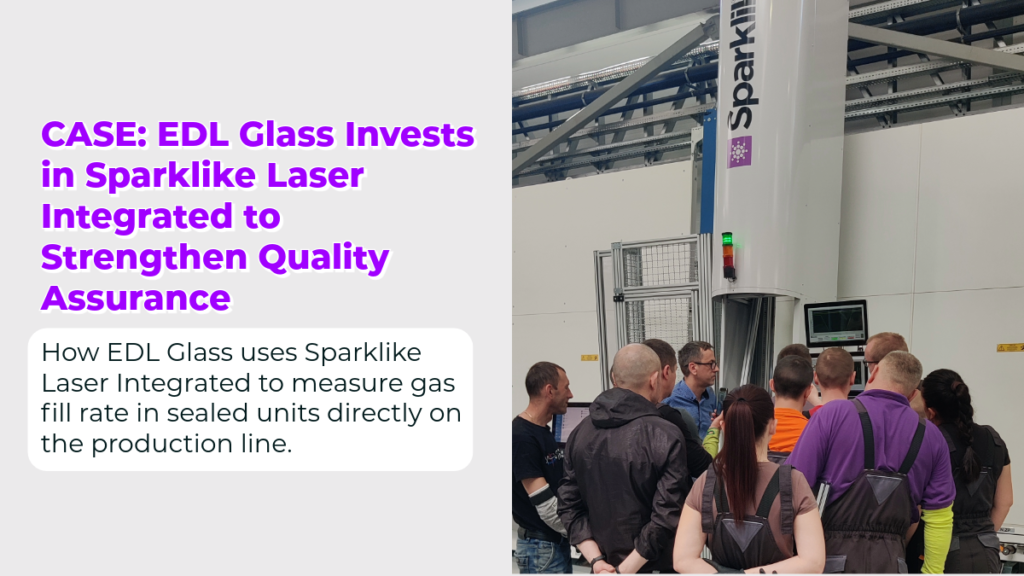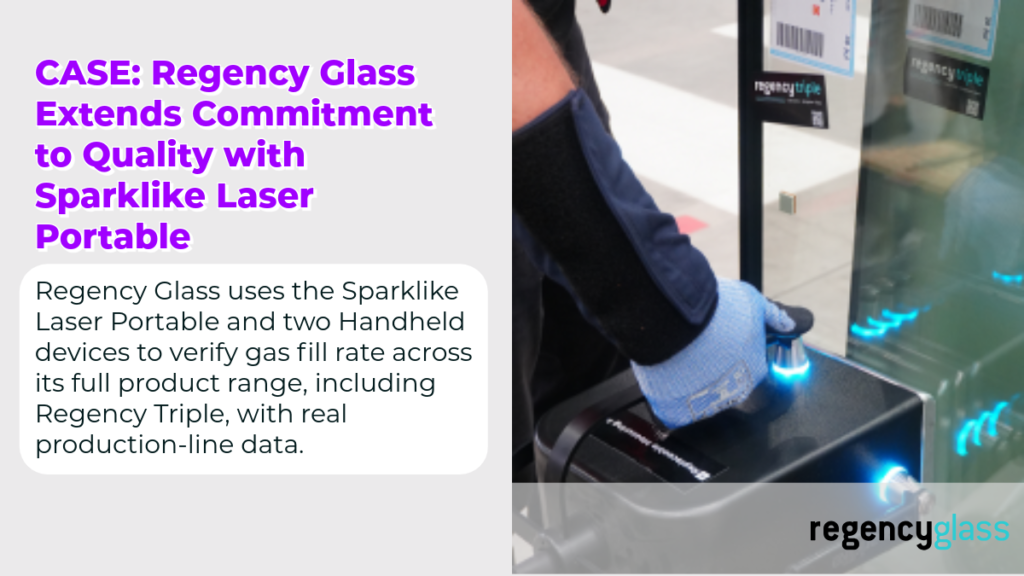
Introduction: “Good Housing” and the Demand for High-Quality Building Materials Under the New Real Estate Policy Direction and GB/T 11944-2025 Standard
On March 5, 2026, Premier Li Qiang outlined this year’s direction for the real estate sector in the Government Work Report with a 185-character statement. The report clearly proposed the orderly promotion of the construction of “good housing” that is safe, comfortable, green, and intelligent, as well as the implementation of housing quality improvement projects.
This requirement is not only guidance for the future direction of real estate development; it also sets unprecedentedly high standards for the entire upstream and downstream construction industry chain, especially for the performance and quality of building materials.
The core of “good housing” lies in the performance of the building envelope. Insulating glass, as a key component influencing building energy consumption, directly affects the realization of both “green” and “comfortable” buildings.
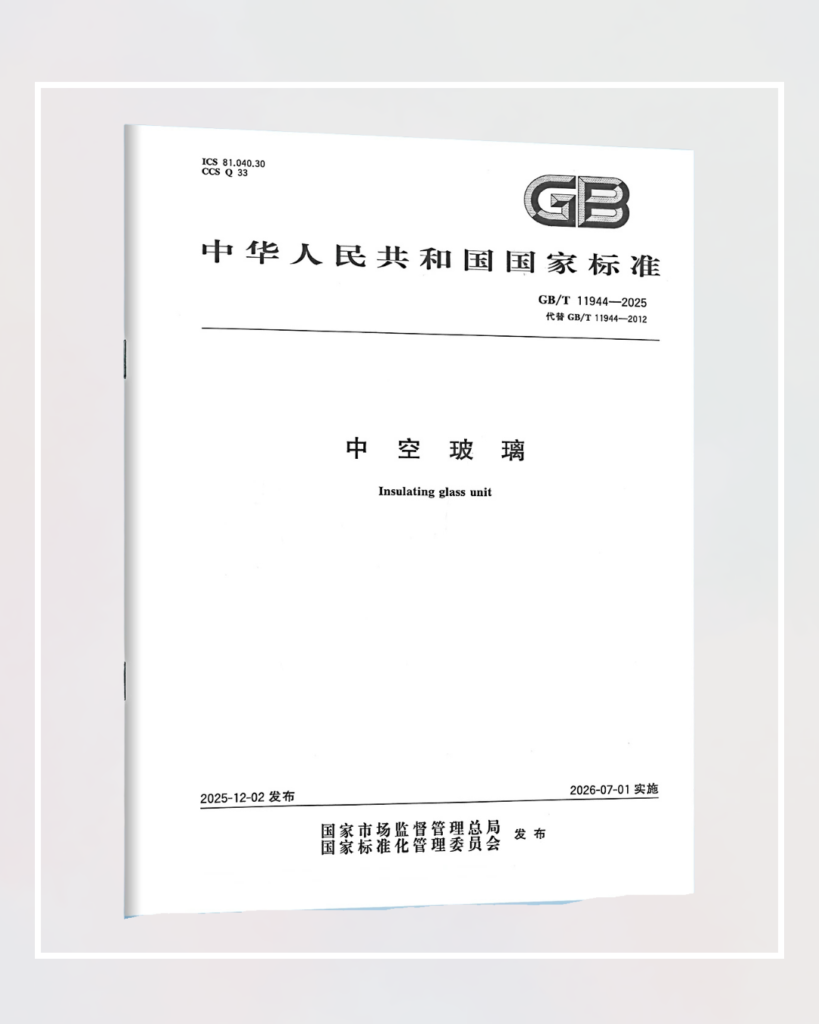
Against this background, the new national standard Insulating Glass GB/T 11944-2025, released in December 2025 and scheduled to take effect on July 1, 2026, arrives at an opportune moment. For gas-filled insulating glass products, an essential element in “good housing” construction, it establishes a new system characterized by high standards and verifiable requirements, covering definitions, performance requirements, and testing methods.
Using a comparison between the old and new standards as a starting point, this article analyzes how the new national standard responds to the deeper needs of “good housing” construction. It also focuses on its revolutionary non-destructive testing method — Appendix H: Tunable Diode Laser Absorption Spectroscopy (TDLAS) — which serves as the technical foundation for ensuring that gas-filled insulating glass achieves long-term energy efficiency and truly measurable performance.

From “Behind the Scenes” to “Center Stage”: Establishing the Independent Status of Gas-Filled Insulating Glass
The new national standard first grants this critical energy-saving product an independent identity at the definitional level.
GB/T 11944-2012 (previous version)
Gas-filled insulating glass was only briefly mentioned as one type under the classification clause.
Read our other blog on the Chinese Insulating Glass Standard GB/T 11944 views on Gas Concentration Measurement
GB/T 11944-2025 (new version)
In Clause 3.3 (Terms and Definitions), it is formally defined as an independent technical term:
Gas filled insulating glass unit:
An insulating glass unit in which inert gas is filled into the cavity.
Key change
The definition has been upgraded from a classification description to an independent technical term.
The gas specification has expanded from listing argon and krypton to the broader term inert gas.
Deeper significance
This change not only makes the structure of the standard more rigorous, but also highlights the increasingly important role of gas-filled insulating glass in energy-efficient buildings.
The broader concept of “inert gas” leaves room for future applications involving other gases (such as xenon or mixed gases). This demonstrates the forward-looking and technologically inclusive nature of the standard, responding directly to the possibility that “good housing” construction may adopt more diverse and higher-performance materials in the future.
From “Minimum Pass Line” to “High-Quality Consistency”: How Performance Requirements Support “Good Housing”
“Good housing” requires long-term and stable quality, rather than merely temporary compliance.
The revision of the inert gas concentration requirements, which are the most critical parameters for gas-filled insulating glass, reflects this conceptual shift.
| Indicator | GB/T 11944-2012 | GB/T 11944-2025 | Key change and support for “good housing” |
| Initial inert gas content | ≥ 85% | ≥ 85% | Requirement unchanged, but forms the basis for stricter durability evaluation |
| Gas seal durability (after aging test) | Gas content ≥ 80% (single minimum value) | Average ≥ 82% and minimum ≥ 80% | Upgraded from a single “minimum pass line” to a dual requirement of average + minimum value |
Implications
This change ensures stable thermal insulation performance (U-value) throughout the product’s lifetime. More importantly, it forces manufacturers to achieve highly consistent and reliable production processes.
Every delivered unit must reflect the quality commitment of “good housing”, rather than merely meeting the standard through random sampling.
Reason behind the change
This revision directly responds to the stringent requirements of ultra-low-energy and nearly zero-energy buildings for long-term envelope performance.
By raising the threshold for average gas concentration, the new standard aims to push the entire industry from simply meeting minimum requirements toward stable, large-scale high-quality manufacturing.
This transformation directly reflects the two core objectives of “good housing”: green performance and occupant comfort.
The Revolutionary Appendix H: Providing a “Verifiable” Foundation for High Standards
Whether standards can be implemented effectively and whether high-quality products can earn market trust depends on the availability of reliable and accessible verification methods.
The innovation introduced in the new standard can be described as revolutionary.
Limitations of the previous testing method (destructive testing)
Traditional methods, such as paramagnetic oxygen analysis, require breaking the glass to extract a sample.
This leads to several limitations:
No full inspection
Because destructive testing is expensive, it can only be used for sampling inspections. It is impossible to verify every product, meaning the claim of “initial gas content ≥85%” cannot be widely confirmed.
No lifecycle tracking
When evaluating gas seal durability, it is impossible to measure the same sample before and after aging. This limits the ability to precisely study leakage mechanisms and accurately validate real service life.

The significance of Appendix H (non-destructive testing)
The new standard introduces Appendix H: Tunable Diode Laser Absorption Spectroscopy (TDLAS) as a non-destructive method for measuring inert gas content.
A laser beam passes directly through the glass and enables instant, accurate measurement without breaking the seal. Read How Sparklike Laser Technology Advances Insulating Glass Processing.
1. Making the “gas-filled” claim truly measurable
Non-destructive testing enables:
- 100% inline inspection during production
- On-site verification at construction sites
This fundamentally solves the problem of information asymmetry.
Developers, builders, and property owners can verify efficiently and at low cost whether the product truly meets the requirement of initial gas content ≥85%.
This is not only a technological upgrade but also the foundation for building a transparent and trustworthy quality assurance system.
It helps regulate the market and prevent disputes or energy performance risks caused by substandard products. In this sense, it aligns with the government report’s emphasis on risk prevention and improved property service quality, since high-quality materials reduce future maintenance needs and enhance long-term building value.
2. Enabling deeper research and long-term energy performance
For gas seal durability testing, the TDLAS method allows the same samples to be measured both before and after aging tests.
This enables researchers to:
- obtain more accurate final measurement data
- generate leakage curves showing gas concentration decay over time
Such data provide scientists and engineers with powerful tools to study the aging mechanisms of different sealing systems (such as flexible spacers or different sealants).
This allows targeted optimization of product design and helps improve the effective service life of insulating glass to 15 years or more.
This represents the data-driven technological upgrade required to support the “safe, comfortable, green, and intelligent” vision of good housing.
Interested to learn more? Read Reusing Insulating Glass Units: The Role of Argon Testing
3. Providing the industry with “sharp eyes” for upgrading
Non-destructive testing significantly reduces the verification cost and technical barriers associated with high-quality gas-filled insulating glass.
Manufacturers can achieve 100% inline quality control, ensuring every unit meets the standard.
Research institutions can accelerate validation cycles for new materials and production processes.
This will inevitably drive upgrades across the entire supply chain, from sealing materials to manufacturing processes, pushing the industry from experience-based manufacturing toward data-driven intelligent manufacturing.
This transformation will ensure a continuous supply of high-quality insulating glass components that truly meet the requirements of “good housing”.
Read our other article Reducing Building Energy Consumption: The Role of Insulating Glass, Structural Energy Efficiency, and Repair Construction
Conclusion: Alignment Between Standards and Policy to Drive High-Quality Industry Development
The “good housing” vision described in Premier Li Qiang’s Government Work Report requires reliable and high-quality materials as its foundation.
The release and implementation of the new national standard GB/T 11944-2025 Insulating Glass represent the building materials industry’s precise response to this national strategy.
The new standard establishes a comprehensive scientific framework for gas-filled insulating glass, covering the entire lifecycle from design and manufacturing to acceptance and supervision through:
- clearer definitions
- stricter performance requirements
- non-destructive testing methods
In particular, TDLAS non-destructive testing introduced in Appendix H is not merely a technical upgrade. It is the technical cornerstone that transforms high standards into practical, verifiable, and trustworthy reality.
It ensures that gas filling is no longer a marketing claim but a measurable performance backed by data, and that long-term energy efficiency is no longer a slogan but a traceable and optimizable scientific objective.
Stricter performance requirements define the performance targets for “good housing,” while revolutionary testing methods provide the practical pathway to achieving those targets, building trust across the entire supply chain.
Together, they will drive China’s insulating glass industry beyond basic manufacturing toward high-quality and intelligent production, supporting a green and smart future, and ultimately contributing to the national goal of providing better housing for the people.
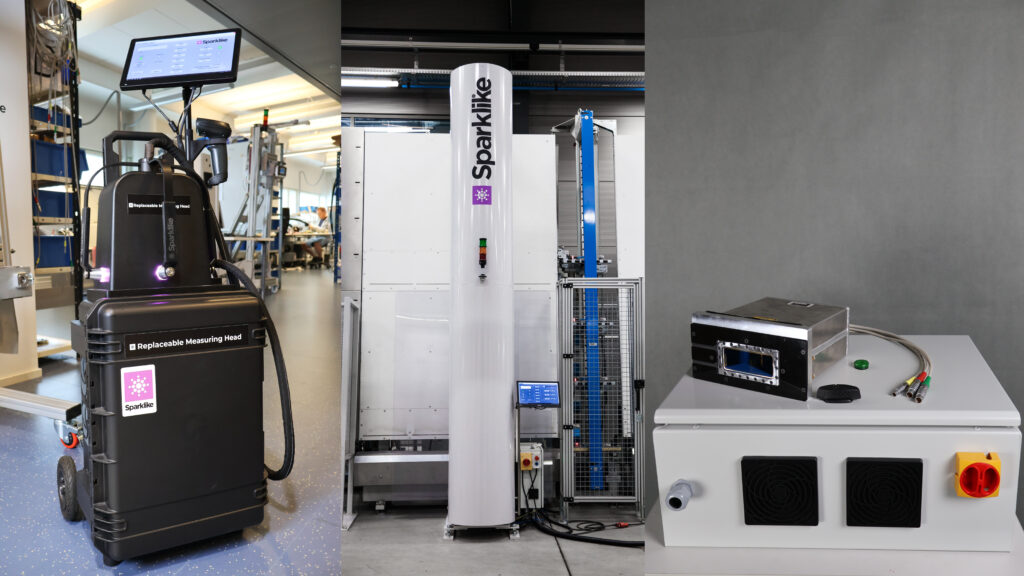
Sparklike TDLAS-based devices to measure inert gas concentration
- Sparklike Laser Portable – Use in production, laboratory, or on-site.
- Sparklike Laser Components – Modular TDLAS gas measurement system for automated gas measurement
- Sparklike Laser Integrated – Automated insulating gas measurement system